

How To Say Cow In Spanish
20 Beast Sounds in Castilian: Tin You Bray, Squawk and Meow en Español?
Sure, you think yous tin quack like a duck.
But can y'all quack in the language of Cervantes?
This post is for those who might exist a bit tapped out from learning to speak Spanish to humans, with all their complex slang, metaphors and counter-intuitive expressions.
It'south time, and so, to learn to speak to animals, and yeah, the Spanish ear has a whole dissimilar mode of hearing their squawks, honks and roars.
Contents
- twenty Animal Sounds in Spanish
-
- 1. rana (frog) — croá, croá
- two. perro (dog) — guau
- three. pato (duck) — cuac cuac
- 4. pájaro (bird) — pío
- 5. gallo (rooster) — quiquiriquí, kikirikí
- 6. gallina (hen) — coc co co coc
- vii. gato (cat) — miau
- 8. vaca (cow) — mu
- 9. lobo (wolf) — aúúú
- 10. tigre (tiger) — grgrgrgr
- 11. paloma (pigeon) — cu-curru-cu-cú, cucurrucucú
- 12. mono (monkey) — i-i-i
- 13. pavo (turkey) — gluglú
- fourteen. oveja (sheep), cabra (goat) — bee, mee
- 15. cerdo (hog) — oinc-oinc
- 16. cuclillo (cuckoo) — cucú
- 17. cuervo (crow) — cruaaac-cruaac
- xviii. abeja (bee) — bzzzz
- 19. búhos (owl) — uu uu
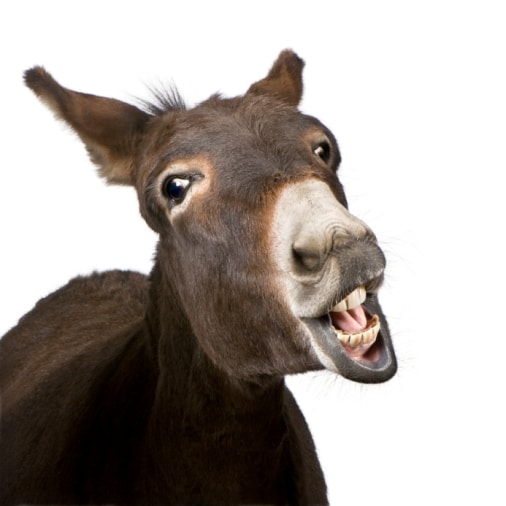
- 20. burro (donkey) — three-ahh
Download: This blog post is available as a user-friendly and portable PDF that you tin can take anywhere. Click here to get a re-create. (Download)
20 Animal Sounds in Spanish
What follows is my shortlist of the fauna most worth talking to, accompanied by the noises y'all should make when communicating with them in Spanish.
I've also included the verbs that draw these sounds (just like English language'due south "a lamb bleats," "a equus caballus whinnies," etc.). At times, theses verbs and onomatopoeia provide lovely insight into how Spanish speakers hear and feel these animal sounds, and sometimes they're just plain fun.
I've tried to present the sounds that are well-nigh usually used in the whole Spanish-speaking earth and utilize their most mutual spellings, but practise note that there are some regional variations out in that location.
At present let'south meet some animals and say howdy to them… in Castilian.
1. rana (frog) — croá, croá
Las ranas croan (frogs croak), of course.
But what about that sexy/scary/creepy way that some old (and even occasionally young) Andalusian men hack out syllables through the cigarette tar lining their throats?
In English we'd say that they croak, and the figurative apply of croar is fine in Spanish equally well. Ellos croan (they croak) can also be used for talking near anyone who is hoarse.
two.perro (canis familiaris) — guau
We live with, dearest and communicate with dogs all the time, so it's no surprise that nosotros have lots of verbs for the types of noises that they produce. In Spanish, they are:
ladrar— to bark; when talking about humans, to make noises without follow-through, to rant
gañir — to yelp, howl
regañir — to repeatedly yelp
gruñir — to growl menacingly
aullar — to howl
arrufarse — to bark menacingly while showing teeth
3.pato (duck) — cuac cuac
The verb used for duck quacking is graznar, and quite fabulously it can also be used to describe high-pitched, unimportant babble sometimes emitted by humans. Here'due south an example:
Graznan sus quejas. (They cry out/babble out their complaints.)
4.pájaro (bird) — pío
A pío (that'due south an accent marker, not a dot, so make sure you stress the I: "PEE-oh") is a tweet or chirp. If you want to emphasize that y'all won't reveal a secret, you tin can say:
No digo ni pío. (I won't say a peep.)
The verb form is piar, and pipiar and piolar mean the same thing.
To trill or warble in your throat, whether you're a human being or a bird, is trinar, gorjear or gorgoritar.
And so, of course, there's the activity that provides meaning to the lives of all, human and fowl akin: cantar (to sing).
5.gallo (rooster) — quiquiriquí, kikirikí
If yous ever find yourself running dry out for conversation in an international business mixer, youth hostel or airport, only inquire your fellow world travelers what sound they think a rooster makes. It's hard to elevation cock-a-doodle-practice for aural silliness, but the Spanish quiquiriquí comes close.
The verb in Spanish is cacarear, and when you hear information technology used with a homo as the subject it means to boast about something. For example:
Cacarea el dinero que ha gañado. (She'due south bragging most the money she earned.)
6. gallina (hen) — coc co co coc
The verb cacarear is also used for hens, even though their sounds (and the onomatopoeia for them) are quite different.
7. gato(cat) — miau
Cats can maullar or mayar (to meow), bufar (to hiss; for humans it ways to seethe), fufar (also to hiss), ronronear (to purr) and marramizar (to howl, caterwaul).
8. vaca(cow) — mu
Spanish has the same onomatopoeia for cow noises equally English—their phonetic spelling of it is simply superior.
Spanish verbs for the beasts' communication are also better. Cows tin mugir (to moo), remudiar (to moo dorsum and forth between calf and cow) and bramar (to moo loudly/angrily).
nine. lobo(wolf) — aúúú
Wolves' spoken language is described with aullar (to howl) and also, equally in English language, una persona aulla de dolor (a person howls in hurting). Otilar and guarrear are additional verb options for wolf howls.
10.tigre (tiger) — grgrgrgr
Los tigres rugen (the tigers roar) employs the verb rugir (to roar). Angry humans and even the heavens can be said to roar using this verb every bit well, for instance:
La tempestad ruge. (The storm is roaring.)
11. paloma (dove) — cu-curru-cu-cú, cucurrucucú
You know the pigeon's sound in Castilian already if you take any taste in music or movies. My favorite is the Caetano Veloso version of this song, as used in the pic "Hable con ella" ("Talk to Her").
If yous're non done crying, check out the Lila Downs version too.
Fittingly, the verb for describing doves' noises, arrullar, means to talk softly and/or lovingly, as with the English "to coo."
12.mono (monkey) — i-i-i
Los monos chillan (monkeys screech). The verb chillar is very mutual in Spanish for describing human shouting, shrieking and yelling too:
Le chillé para que se callara. (I screamed at her so that she would shut up.)
thirteen.pavo (turkey) — gluglú
As with English, Spanish has a ridiculous-sounding verb for this ridiculous beast's ridiculous noises: gluglutear (to gobble).
14.oveja (sheep),cabra (caprine animal) — bee, mee
Ovejas y cabras balan (sheep and goats squeal) using the verb balar (to squeal).
15.cerdo (hog) — oinc-oinc
Los cerdos gruñen (pigs grunt/oink) using the verb gruñir, which as well ways to mutter, mutter and whine.
And so Castilian porkers are seen as complainers, but then, mayhap they're tired of seeing their brethren's cured legs (jamón ibérico) hanging in every home, café, and bar.
16. cuclillo (cuckoo) — cucú
Cuclillo is a cuckoo in Spanish; when used to draw a human it means a cuckold.
17.cuervo (crow) — cruaaac-cruaac
Los cuervos graznan (crows caw). You'll notice that in spite of their very different sounds, they've been assigned the aforementioned verb as ducks (graznar).
eighteen. abeja (bee) — bzzzz
Las abejas zumban (bees buzz). The verb zumbar too means to hit, slap, thump or whack someone. Thus, in the video below, la abeja no zumba in any sense, but rather, Burns zumba a la abeja:
19.búhos (owl) — uu uu
Los búhos ululan (owls hoot). The wind, in Spanish, doesn't howl—it also hoots: El viento ulula.
20.burro (ass) — iii-ahh
I've never met a language that treated donkeys with any respect. In Castilian, losburros rebuznan (the donkeys bray) and rebuznar means to loudly insult or complain, usually for no good reason.
Ser burro means to be incredibly dumb.
I know that these sounds will show useful for you on the farms and fields of Spanish-speaking lands.
But of course, you'll have to hear and non merely read these sounds. So if you don't have a Spanish speaker around to double-decker y'all on your brute vocalizations, you tin can opt for Spanish sound or videos. Yous can find them in many places online or included with language learning programs similar FluentU, which equips Spanish video and audio clips with interactive tools then yous tin can practice listening, reading and speaking skills altogether.
I promise that the way they're heard and the verbs that describe them will also give yous plenty of interesting ways to express yourself when and if you decide to return to speaking with humans.
Download: This blog post is available as a convenient and portable PDF that yous tin take anywhere. Click here to get a copy. (Download)
Source: https://www.fluentu.com/blog/spanish/animal-sounds-in-spanish/
0 Response to "How To Say Cow In Spanish"
Post a Comment